

As the clocks change and daylight hours grow shorter, drivers and pedestrians may find themselves traveling in darker conditions. The seasonal transition is a good reminder for everyone on the road to slow down, stay alert, and take a few extra precautions.
How Reduced Daylight Impacts Road Safety
Changes in daylight and sleep schedules can affect everyone on the road. Daylight Savings Time Accident Statistics by World Metrics (2026 Edition) reports a 1.2-percent increase in pedestrian fatalities the day after Daylight Saving Time begins and an 18-percent increase in crashes involving drowsy driving. These figures are an important reminder for drivers and pedestrians to stay alert as daylight hours, and travel conditions change.
The seasonal change also means drivers and pedestrians need to adjust to reduced daylight. During the colder months, many people may be commuting, walking or biking when it is dark or getting dark.
Lower visibility can make pedestrians more difficult for drivers to see, particularly around intersections and along local roads. Seasonal weather conditions, including rain, fog and snow, can further reduce visibility and make traveling more challenging.
Drowsy Driving Is a Deadly Risk
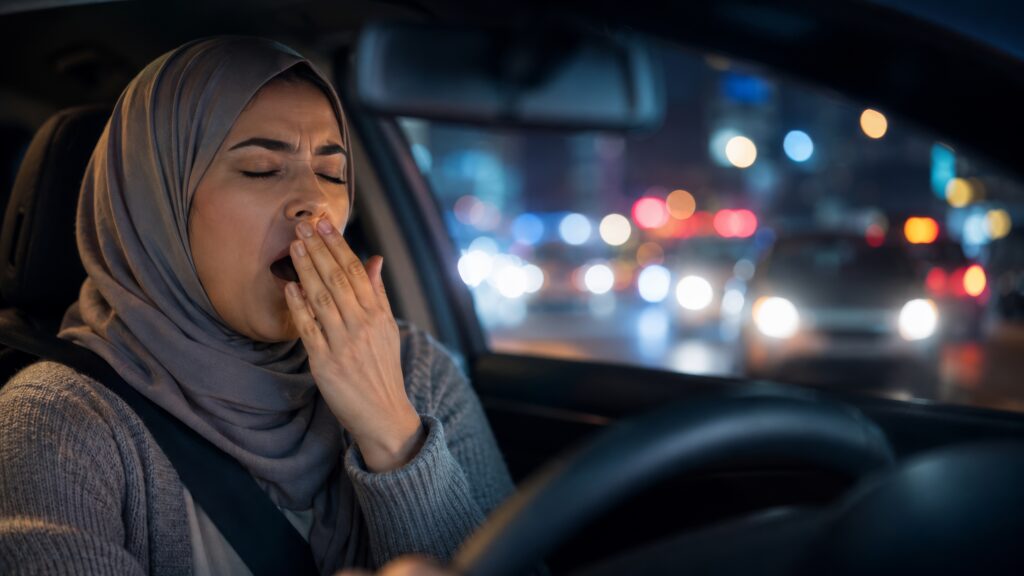
Changes in sleep schedules can also affect how alert drivers feel behind the wheel. The National Highway Traffic Safety Administration (NHTSA) says fatigue can impair cognition and performance and contribute to motor vehicle crashes. In 2024, 644 people were killed in crashes involving drowsy driving. NHTSA recommends making adequate sleep a priority, with experts urging adults to get seven to eight hours of sleep per night.
Drowsy-driving crashes occur most frequently between midnight and 6 a.m. or in the late afternoon, when the body’s circadian rhythm naturally dips. If you’re struggling to stay awake, don’t try to push through fatigue. NHTSA warns that caffeine alone may not be enough when someone is seriously sleep-deprived.
Street Smart After Dark Safety Tips
Being street smart means knowing how to stay safe whether you’re behind the wheel or on foot. Here are some simple safety tips drivers and pedestrians can follow as daylight hours get shorter:
Safety Tips for Drivers
- Check your headlights, taillights, and other vehicle lights to make sure they are working properly.
- Stay focused on the road and avoid distractions behind the wheel.
- Watch for pedestrians at intersections and crosswalks, especially when visibility is limited.
- Follow posted speed limits and slow down when conditions call for it, particularly on local roads.
- Be extra cautious in rain, fog, or snow, when it may be more difficult to see pedestrians and other road users.
- Don’t drive drowsily. Get adequate sleep before driving, particularly before a long trip.
Safety Tips for Pedestrians
Pedestrians can also take steps to help themselves stay visible and predictable:
- Wear bright or reflective clothing or accessories, especially when walking after dark.
- Cross at intersections and designated crosswalks when available.
- Look both ways before crossing and continue watching for vehicles as you cross.
- Use sidewalks whenever they are available and avoid walking on the roadway.
- Follow pedestrian signals and traffic lights and wait for the appropriate signal before entering an intersection.
- Stay alert and aware of approaching vehicles, particularly when visibility is poor.
A Safer Season Starts with Everyone
The shift in daylight is something drivers and pedestrians experience every year, but that doesn’t mean safety should become routine. Shorter days, changing weather and fatigue can create additional challenges on the road. Whether you’re driving or walking, be street smart by slowing down, paying attention, staying visible, and looking out for others.